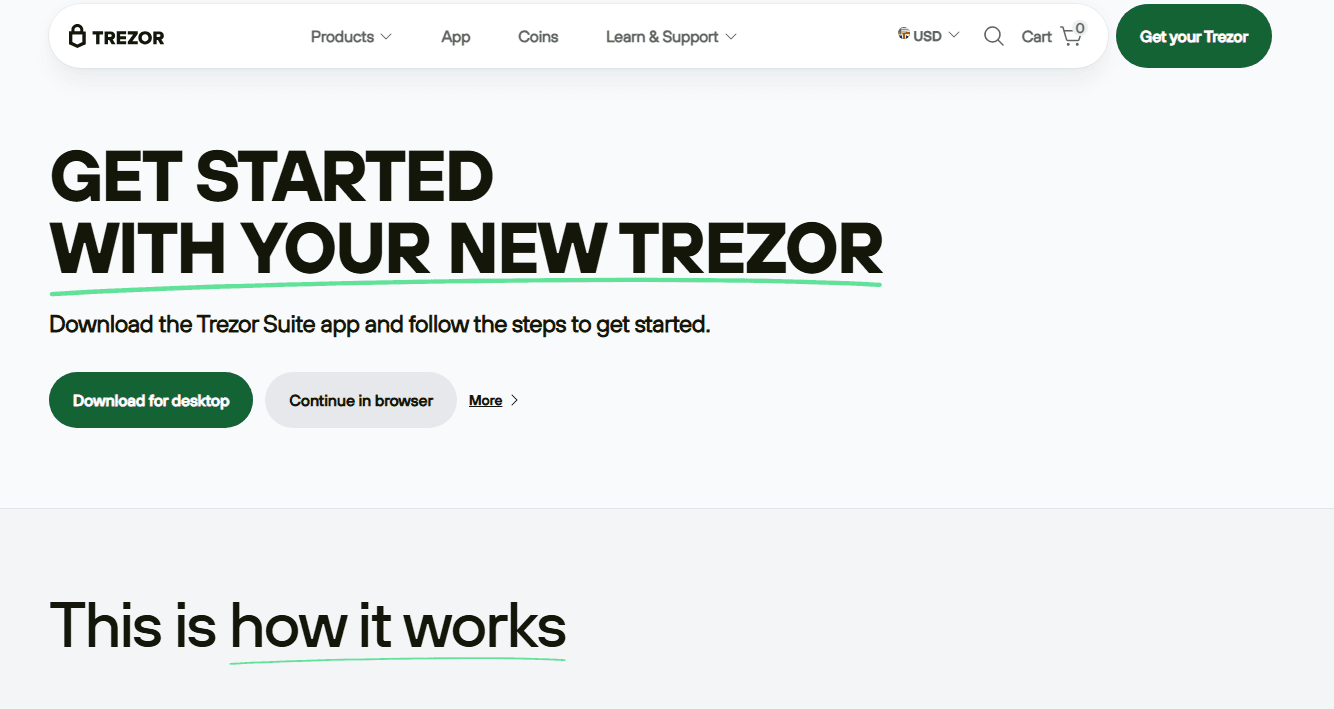
Trezor Login: Comprehensive Guide to Secure Wallet Access and Cryptocurrency Protection
Trezor login is the process that allows users to securely access their cryptocurrency wallets through a Trezor hardware device. Unlike conventional online accounts that rely on usernames and passwords, Trezor login uses a physical device to authenticate the user. This method ensures that private keys are stored offline and remain fully under the control of the user, offering a much higher level of security than software wallets or web-based platforms.
With the growing adoption of digital currencies, securing access to wallets has become as crucial as protecting the assets themselves. Trezor login addresses these concerns by providing a system that is both simple and robust, combining physical device authentication, PIN protection, and recovery seed backup. This guide explains the Trezor login process in detail, explores its security features, discusses common challenges, and outlines best practices for maintaining long-term wallet safety.
What Is Trezor Login?
Trezor login refers to the method of accessing a cryptocurrency wallet using a Trezor hardware device. Rather than entering sensitive information into a potentially vulnerable computer or browser, users authenticate directly on the device.
The key aspects of Trezor login include:
Hardware-based authentication: Access is verified on the physical device.
Offline key storage: Private keys never leave the Trezor, keeping them safe from online threats.
PIN protection: Unauthorized access is prevented even if the device is lost or stolen.
Device confirmation: All sensitive actions require verification on the Trezor screen.
This approach ensures that only the device owner can access or manage the wallet.
How Trezor Login Works
Trezor login combines physical security with user verification. The process is designed to be intuitive while maintaining high protection levels.
Steps involved in Trezor login:
Connecting the Device: The user connects the Trezor wallet to a compatible computer or mobile device.
PIN Entry: The device requests the user to enter a PIN directly on its screen.
Verification: Login requests are confirmed on the device itself.
Access Granted: Once verified, the user can access the wallet’s functions and manage their cryptocurrencies.
Because all verification occurs on the hardware, sensitive data never passes through the computer, preventing exposure to malware or remote attacks.
Hardware-Based Authentication
Trezor login relies on hardware-based authentication, which provides significant security advantages over software-only solutions.
Key benefits include:
Offline private key storage: Keys are never exposed to the internet.
Mandatory physical confirmation: Transactions and login requests must be verified on the device.
Malware resistance: Even if the connected computer is compromised, private keys remain secure.
No centralized accounts: Reduces the risk of hacking or phishing attacks.
This architecture ensures that even highly skilled attackers cannot access the wallet without the physical device.
The Role of the PIN
The PIN code is a critical element of Trezor login security. It protects the wallet in case the device is lost or stolen.
Important aspects of the PIN include:
It must be entered every time the device is connected.
Multiple incorrect attempts trigger security delays.
The PIN is stored only on the device and never on a computer.
Users can change the PIN if needed for additional security.
Selecting a strong and unique PIN is essential to maintain wallet security.
The Recovery Seed
The recovery seed is the ultimate backup for any Trezor wallet. While it is not used during daily login, it enables users to restore their wallet if the device is lost, damaged, or reset.
Key points about the recovery seed:
It allows complete restoration of wallet access on a new device.
Anyone with the recovery seed can control the wallet’s funds.
It must be stored offline and securely.
It should never be shared or digitized.
Losing both the device and recovery seed results in permanent loss of access.
Common Uses of Trezor Login
Trezor login is required for a wide range of wallet functions. All actions are verified on the device, ensuring security and intentionality.
Typical uses include:
Viewing cryptocurrency balances
Sending and receiving funds
Approving transactions
Managing multiple accounts
Updating wallet settings and security features
Each step requires confirmation on the device, preventing accidental or unauthorized activity.
Troubleshooting Trezor Login Issues
Although Trezor login is highly reliable, users may encounter occasional problems. Most issues are easily resolved with proper troubleshooting.
Common problems include:
The device not being recognized by the computer.
Entering the PIN incorrectly multiple times.
Temporary connection or compatibility issues.
Outdated device firmware.
Conflicts with browser settings or drivers.
In situations where login access is blocked or a device fails, the recovery seed can restore wallet access on a new Trezor device.
Best Practices for Trezor Login
Maintaining wallet security during login requires following best practices consistently.
Recommended practices include:
Always entering the PIN directly on the device.
Keeping the recovery seed securely offline.
Avoiding login on public or shared computers.
Verifying all prompts on the Trezor screen before confirming actions.
Regularly updating firmware to ensure optimal protection.
These practices reduce the risk of unauthorized access and provide long-term safety.
Common Mistakes to Avoid
Many security breaches occur due to user error rather than technical flaws. Awareness of common mistakes can help prevent them.
Mistakes to avoid include:
Sharing the recovery seed with anyone.
Storing the recovery seed digitally or online.
Ignoring device confirmation screens during login.
Using untrusted or compromised computers.
Rushing through the authentication process.
Careful attention to login steps ensures assets remain secure.
Long-Term Security Benefits of Trezor Login
Trezor login is designed not just for immediate access but for ongoing protection. Its hardware-based architecture keeps sensitive data offline, significantly reducing vulnerability over time.
Long-term benefits include:
Continuous offline protection of private keys.
Reliable recovery options in case of device loss or damage.
Independence from centralized servers or platforms.
High resistance to evolving cyber threats.
This makes Trezor login ideal for both daily users and long-term cryptocurrency holders.
Advantages of Using Trezor Login
The Trezor login system provides users with strong security, control, and convenience.
Advantages include:
Complete ownership and control of private keys.
Hardware-based verification for secure access.
Minimal exposure to phishing and malware attacks.
Transparent and verifiable authentication process.
Confidence in managing multiple cryptocurrencies safely.
These benefits make Trezor login one of the most secure and trusted methods for accessing digital assets.
Daily Usage Tips
To maintain security and convenience, users should adopt simple routines for everyday wallet access.
Tips include:
Log in only when necessary.
Double-check transaction details before approval.
Keep the device in a secure, private location.
Disconnect the device immediately after use.
Stay informed about security updates and firmware improvements.
Consistent practices enhance long-term protection and reduce the likelihood of mistakes.
Conclusion
Trezor login provides a secure, hardware-based approach for accessing cryptocurrency wallets. By relying on device authentication, PIN verification, and offline key storage, it eliminates many vulnerabilities associated with traditional login systems.
Understanding how Trezor login works, safeguarding the recovery seed, following best practices, and avoiding common mistakes are essential for secure crypto management. When used correctly, Trezor login ensures reliable long-term protection, complete control, and peace of mind for managing digital assets.